Tuesday, 31 December 2013

Some Uninvited Women Attend Weddings Every Weekend Looking and Hoping For a Husband?


A friend of mine got wedded a few weeks ago and since I couldn't make it to the wedding, I paid her a brief visit earlier today. I met her unwrapping her wedding gifts and the inscription on one of the gifts caught my attention. It read thus;


"Dear Bride & Groom, you do not know me, neither do i know you, i wasn't even invited to your wedding but i came, i hope you dont mind? I am a lady in her prime, hoping to meet and be joined to my better half just like you two. I attend weddings every week and join couples to celebrate hoping that luck would shine on me too someday. My gift may not be worth much but i want you to know that it is from the bottom of my heart, please accept it and say a sincere prayer from your hearts for me. Congratulations and Happy married life!"

7 Practical Tips To Resolving An Argument or Disagreement


It is normal to argue or disagree with people. Everyone experiences some conflict in their life. Conflict can occur between friends, family and couples. It can also occur between you and your teachers, co-workers and even, someone you don’t or barely know.


Disagreements or conflicts with people you see regularly, or those you are closest to, can turn into an uncomfortable and even, stressful experience. Resolving this kind of conflict or disagreement isn’t always an easy thing to do.

Conflict or disagreements with people you know can arise for any number of reasons. Here are a few:

- You may be having trouble understanding someone else’s perspective on an issue;
- You might feel that your point of view or perspective isn’t be heard or considered;
- You may have different beliefs and values than someone else;
- Your needs may conflict with someone else’s needs;
- You may not be happy about how someone is treating you;
- You may be feeling stressed or angry about something and that causes you to be confrontational.

How to resolve your differences: 

1. Approach the person first. Talking to the person about your disagreement can be helpful as long as it is done in a mutually respectful manner. Make sure it is done in a constructive way by thinking about the points you want to express. Approaching the person is more often effective if you are calm and not angry. How you discuss your differences will be very important to come to a conclusion that all parties will feel happy about. You might want to try some of these strategies.

2. Allocate time to talk. It can be easy to get back into an argument while you are trying to resolve it. It is also not a good idea to spring the discussion on the other person. Tell them calmly that you want to talk to them about the disagreement. Perhaps you could talk to them over the phone or send an email. You both might even prefer to write down your point of view so you both can read it and think about what the other has said. You can then come together and discuss the disagreement and both points of view. Remember, there is a possibility that the other person might not want to talk about it. Writing down your point of view and how you feel might be helpful to you but you have to prepared that the other person might not want to discuss the conflict with you.

3. Gain an understanding of each other’s perspective. To help understand why the disagreement started, it may help to ask questions about their point of view. It is important to make sure that when you are listening to the other person’s perspective; you are actually listening and not adding your opinion. You will have the opportunity to tell your side. When it is your turn, nicely remind the other person that you gave them the space and time to tell their side of it and it is now your time.

4. Explain how you feel. When you talk to the person, tell them how you feel - this is different and in addition to your perspective or point of view. You can try to explain how you feel as a result of their opinion (e.g. “I felt that you wouldn’t hear me out” or “You made a judgment about me”). Try not to blame them or make statements about their perception of the problem. This should be about how you felt. Give them the opportunity to tell you how they felt too.

5. Use a mediator. You may need someone else to help you resolve the disagreement. Asking another person to act as a mediator can help you both get another perspective on the disagreement. It is important that this person is neutral in both of your eyes (e.g. having your boyfriend mediate a conflict with your best friend might not be the best option). Anyone can act as a mediator including friends, a counselor, a supervisor or a psychologist.

6. Conflict with someone at work or at school. If you have a disagreement with someone you work with and you feel that you cannot resolve your differences together, you might need to contact your human resources department for the procedures to resolve the issue. They may tell you to discuss the matter with your supervisor or they may handle the conflict. Each employer is different on how they handle conflicts for employees. If you have a conflict with someone at school who may have a higher status than you (e.g. a professor, school administrator or teaching assistant), there are usually counselors or ombudsman that can help you resolve these conflicts.

7. Agree to disagree. Resolving a conflict should not be seen as a contest to see who won or who was right or wrong. Even after taking steps to resolve a conflict, you might not still be able to agree. If the person you are in this conflict with is an important person to you and their relationship with you is one you want to keep, it is okay to agree to disagree on this issue.

10 Great Things To Say to Your Husband or Wife


It is often said that the little things are the most important in a relationship. Equally, couples who have been married the longest will tell you that communication is key to the longevity of their marriages. Another thing that keeps love fresh is simple kindness, which sometimes is not so simple. Remember "love is patient, love is kind"? Exactly!

So for those times when you just feel full of bursting with love and need to let it out, or even when the lines of communication between you and your SO stalls and you need to find something to keep the wheels running smoothly. At those times, here are a few nice things you can say to share the love, or to bring the smile back to his or her face.

1. Thank you - Appreciation, appreciation, appreciation. You'll be surprised how far this goes. It is said that when you thank people for what they've done, then they want to do more.

2. I respect you - Respect they say is reciprocal, but usually people avoid simply saying it. Sure, there are ways to actively show that you respect your SO, like listen to them when they speak, try to put some of their suggestions into what you usually do, etc. However, there are times you just have to say it.

3. I’m sorry - Need I add anything here? When you've messed up, please learn to say sorry. When feelings are frayed and no one is sure who is at fault, be the first to say I'm sorry. But be sincere, and use your senses. If your SO has done something terrible, then let THEM do the apologizing.

4. You look so fly - Yes, compliments are magic! Use sparingly, or sprinkle with a free hand, but make sure to employ compliments as part of your conversation arsenal.

5. Please - Another kind but often overlooked word. This word is powerful enough to melt hearts and open doors, both physical and mental.

6. I trust you - Similar to I respect you, sometimes you just have to throw this into your conversation to drive home the fact of how you really feel about your partner and your relationship.

7. I’m on your side - When thir parties begin to crop up in your conversations more than they used to, or when outside issues begin to wear on your relationship, let your SO know where your loyalties lie, and that is with him or her.

8. I’m listening - Are you really? Then show it. Face them, and really listen, hear what they say and think about it, consider their side, step into their shoes for a minute, and then tell them you're listening.

9. Good morning - I don't know how you start your morning, but if you wake up at the same time with your partner, then a great way to start it with a bang is just that. A good morning with a bang. Pun intended.

10. Your friends are so nice - Most of us are very close to our friends, some of whom we had known even before we met our partners. And some of us can be quite sensitive too about introducing our friends to our spouses. So to make it easier, be kind. Look for the good points about the friends, and talk about them. Invite them over sometimes, don't frown when he/she asks to visit or spend time with them, and generally be nice.

No Sex in Your Marriage? It May Be More Common Than You Know


According to a recent report, it seems that it is very common for wives and mothers to ‘shut up shop’ and stop having sex with their partners if their family is complete, or for the men to do the same for lack of libido. Another reason for lack of sex could be a health problem that affect the sex drive or organs, like a hysteroctomy in women, or prostrate cancer surgery in men. For the first reason for no sex, I guess if the primary reason the couple got married was for children, then it makes sense?

The report goes on to detail the marriage of three couples who have not had sex for varying amounts of time, between a year and eight years. If you ask me, I'll say the first two marriages are in trouble if the partner who lacks the desire or motivation for sex does not get some rest or therapy and work with their partners to rekindle their sex lives. The last couple are in their sixties and the woman it seems has already come to terms with a sexless marriage - more like a companionship arrangement.


Read their stories

Charlotte and Chris Everiss - no sex for more than two years

Most evenings, with their little girl safely tucked up in bed, Charlotte and Chris Everiss enjoy a kiss and a cuddle on the sofa in front of the television.

Happily married for a decade, the couple cannot bear to even imagine their lives without one another. Yet, astonishingly, they haven’t made love for more than two years.

Both insist that their marriage, which followed a two-year courtship after meeting on a dating website, is stronger than most. It’s just that sex, they say, is not important to their happiness.

‘We still turn each other on but we don’t want to take it any further,’ says Charlotte. ‘We don’t have the time or the energy. ‘I find it hard switching off knowing that our four-year-old, Addison, is in the next bedroom. I think if Chris really missed sex he would tell me, or I’d catch him watching porn on the internet as a substitute. But he doesn’t seem to want to go back to having sex, either. We sound like Darby and Joan, I know - even though I’m only 34 and Chris is 40 - but that, to us, is contentment.'

Three years ago, when their daughter was 18 months old, Charlotte almost died after an ectopic pregnancy resulted in her having a partial hysterectomy during a six-hour operation. Since then, she and Chris have made love only once, around ten months after her loss, an encounter from which she derived no pleasure.

Chris is understanding about her aversion to sex. ‘It can be hard knowing that our cuddles will never lead to anything more intimate,’ he says. ‘Charlotte is a gorgeous woman and I’m still very attracted to her, but she nearly died and I count my blessings every day that she’s even still here.’

‘I have an hour-long commute at either end of my working day so, to be honest, most of the time I’m too tired for sex anyway.’

Chris, a digital marketing manager, says he doesn’t discuss with friends the absence of sex from his marriage, but believes it is more common than people admit.

‘I don’t know that we’re all that different from other couples, we’re just more open about it,’ he says.

In all other respects, the Everisses have an enviable lifestyle. They live in a beautiful, four-bedroom detached home, have a Mini Cooper convertible and a VW Golf parked on the driveway, and enjoy several foreign holidays a year.

Chris firmly believes that marriage is a lifelong commitment and says that walking out on his family has never crossed his mind.

‘It’s not as if we just stopped having sex because we stopped loving one another, there are reasons,’ says Chris. ‘I don’t take it personally, and my wife and daughter mean far too much to me to look elsewhere for sex. Of course, men have their needs, but I think I’m better able to control my urges than some - I distract myself with hobbies, like doing up old cars. However, I am hopeful that in the future, when Charlotte and I both feel better in ourselves, our sex life will resume.’

Charlotte is less optimistic.

‘Sex was an important part of our relationship in the early days. Like most new couples we had lots of it and it was good,’ she says. I do feel guilty knowing that Chris sometimes gets aroused when we snuggle up together so, out of wifely duty, I’ve tried to let him make love to me a couple of times in the past three years. The one time we went all the way, after we’d shared a bottle of wine one Friday night, it wasn’t at all enjoyable for me. It wasn’t painful, but I lay there thinking: “How quickly can we get this over with? I think Chris probably sensed that, which is not great, but maybe he was just relieved it was happening at all.’


Tracey and Julian Dowler - no sex over a year

Tracey Dowler, 42,spent several months worrying that husband Julian, 55, didn’t want to make love to her because he was attracted to other women. But she has now accepted that the stress of his demanding job as director of a motor mechanical and haulage company is the reason they no longer have sex.

And, while she admits there have been times when she has felt like walking out of their immaculate, three-bedroom semi-detached home in Rugby, Warwickshire, over the lack of intimacy, Tracey values other aspects of their marriage too highly.

‘We got married in 2007 after only knowing each other for six months, so it was pretty whirlwind,’ says Tracey, a wedding fair organiser. ‘When we were dating, we’d have sex up to three times a night, which was wonderful, but after the wedding we only made love once or twice a week. We started going months between encounters and now we haven’t made love for well over a year.’

Tracey still feels very attracted to her husband, and he says the same of her. The couple are loving in other ways, holding hands when they go out together, kissing one another goodnight before going to sleep and saying “I love you” at the end of telephone conversations.

But Julian has 40 employees under him and says his job has become far more demanding in the years since their wedding. He gets up at 4am to start work at 5am, puts in a 12-hour day and, as he is on 24-hour call, his phone often rings several times during the night with drivers needing advice.

Weekends are no more relaxing as Julian also runs a photography business, which he is hoping will take off enough for him to concentrate on it full time.

They are both keen to have a family together. They’ve had IVF and plan to have another round of it in August.

‘We talk about rekindling our love life but never seem to get around to it,’ says Julian. ‘We had a weekend away at a country hotel a couple of weeks ago and I was so exhausted I spent most of the time asleep.’

Julian regards Tracey as his best friend and soulmate - a fact common, it seems, to many couples enduring sexless marriages - and believes that once he retires they will be able to rekindle some semblance of romance.

Rhae and Keith Elliot - no sex for more than eight years


Rhae and Keith Elliott, from Cambridgeshire, have been married for 44 years but have not been intimate for more than eight years.

When Rhae was 56 and Keith 67, he was diagnosed with prostate cancer that affected his sexual function and, although his GP said Viagra may help, Keith never pursued it.

‘To be honest, I felt embarrassed discussing it with my female doctor and couldn’t wait to get out of the surgery and forget about it,’ recalls Keith, now 75, a retired senior foundry manager. ‘Even before the prostate cancer, we’d go weeks without sex. For me it was never the most important thing in the world, and I’d say the same for Rhae.

‘I don’t feel pressured to try because Rhae doesn’t put me under any pressure. For us, sex really is not the be-all and end-all of married life.’

Rhae has found the absence of sex in their marriage more difficult to come to terms with.

‘I’m 64 now and have been celibate for eight years,’ she says. ‘During the first couple of years, I’d get very upset when Keith rejected my advances.

‘He’d say: “I’m sure we’ll get back to doing it eventually”.

‘Then in 2007, we were living in France, renovating a house, when I raised the subject of sex and Keith said “Rhae, I don’t want to do it any more, can we stop talking about it?”

‘I had to decide then whether our relationship was more important to me than my sex life. And it is.

‘I have friends who sleep apart from their husbands and some don’t even like them very much, but Keith and I are really close.

'I don't worry that Chris will stray if I don't make love to him - he's too much of a gentleman'

‘We’ve had some wonderful trips to China, Australia, America, Canada and Fiji. We go on fishing trips together and love gardening - we’re great companions.’

The Elliotts have a grown-up daughter and Rhae, a retired chief administrator, says the irony is not lost on her that, in her younger years as a working mother, she often felt too tired and stressed to fulfil her husband’s desires.

‘But we’ve gone without sex for so long now, I wouldn’t want Keith to try Viagra,’ she says. ‘Our relationship has morphed into companionship, and I think to have sex now would be embarrassing.

‘We’re used to seeing one another naked, when we undress or are in the bath, but if Keith made advances now it would be like getting intimate with my brother, or best friend. Just not right, somehow.’

Monday, 23 December 2013

9 tips to differentiate between a girlfriend that truly loves you and the one that dosen’t


Most relationships today are running on an unbalance scale. Either one of the parties involved is emitting love more than the other.
Here are some tips for the guys to differentiate between a lady that truly loves them or if the lady is just after their money.
Sorry Ladies,   because I am obeying the law that says, “ladies first,” that’s why i need to start like this, in my next post i will be writing on how to know when a guy truly loves you or he is after what is under your skirt.
-Negligence
A girl that doesn’t love you will always find a reason to excuse her mistakes. When it happens that you didnt call her, she will never call back. But a girl that loves you will always have you in her mind.

-Respect
Guys always loves to be respected. A guy that is just pretending to be in love will not only disrespect you but will go on to insult you, pointing her fingers on you while talking and if care is not taking she can even fight you, some will proceed to burst your skull open with a bottle.

- Expenses
A girl that always requests for unnecessary things often, like shawama,  suya,  although this is normal for all girls but when a girl starts requesting for such things like a do or die affair almost every time. When she requests for money and finally she gets angry, bolts off on you and stops reciprocating after you tell her that there is no such money in your bank account. Know that your girlfriend is trying to enjoy your pockets while it lasts. A worthy girlfriend will understand and encourage you in such a situation.

-Being around.
A worthy girlfriend will always seek your company, she will always find it hard to turn down your request for a date. She will always come around to atleast cook for you. But a pretending one will look an excuse to be away. When you are around her she will always be in a hurry to leave.

-Nagging
Most guys gets pissed of when the girlfriend nags, but this is a very good sign that she is into you just trying to get the “i am sorry” from your mouth these makes them feel special.

-Wickedness
A worthy girlfriend will never pour acid or gather up boys to beat up a fellow girl that comes around you. When this happens it dosen’t show that she is being territorial as in to protect your love for her. She is actually trying to protect the money inside your pocket, this applies to when she is after tour cash. What if she is that girl that you pestered her life into loving you and she just gives in, then thereafter she starts pretending to be wholesomely in love with you. I bet you she will never give a damn who goes around and comes around you.

-Making friends with your friends
A worthy girlfriend will find comfort around your friends, she will call your friends her friends and your enemies her enemies.

-Secrets and problems
A worthy girlfriend will always tell you about her personal live, her problems, and mostly gist you about other guys that flirts around her. She will not tell you all her secrets but 90% of them will be revealed to you. She will find peace telling you her secret problems knowing fully well that if you really care, you will give her advice and help her out if you can.

-Sacrifices
A worthy girlfriend will make sacrifices for you even when it means hurting herself.

If you think i missed out on anything use the comment box to insert it. Or you think i said something wrong, please use the comment box to quote me wrong for i am able and capable to argue with you.


12 Cool Reasons To Be Smart


Hello, it is an understatement to say I read a lot of stuff on the Internet. Some of it I blog about, others I share on Nairaland or other websites whilst I just assimilate others personally.

I am sharing this one with you

12 Reasons Why It is Cool to be Smart

1. You Don’t Have To Try As Hard
Contrary to popular belief, it’s really cool to be smart! Being brainy has a lot of perks, so get ready to soak up all of the great things that life has to offer you.

First of all, you don’t have to try as hard to do well. If you’ve already got the knowledge, it takes a lot less effort to do well on a test, finish an assignment, study, or get your work done. With all of that time back at your disposal, you can fit in plenty of fun on the side!

2. Being Smart Is In
In the olden days, being smart meant that you were looked down upon as a “nerd” or a “geek,” and mocked mercilessly for your intelligence. These days, though, being smart is considered “in.” Even one of the biggest hit shows on TV, ‘The Big Bang Theory,’ revolves around smart people!

It’s a great time to be smart, so don’t bother dumbing yourself down. Be proud of your intelligence!

3. Win More Arguments
If you ever get into debates or arguments with people, you know how much high intelligence can help! Smart people win arguments left and right, because they always know how to out-smart their adversaries.

They may find you annoying and say that you think you’re “smarter than everyone else,” but so what? You actually are, so if the shoe fits, put it on and go for a run!

4. Get Better Jobs
You’ve probably heard it said that you should be nice to the nerds, because you’ll end up working for them someday. That saying didn’t come into existence for no reason!

Smart people generally have the qualifications and intellect required to snag better jobs. That’s just the way it is. You might as well be one of those people on top of the job market, right?

5. Understand the Best Jokes and References
Some jokes are so intelligently planned and executed that they sail right over the heads of people of average intelligence. If you’re smart, though, you’ll be able to understand even the most difficult-to-comprehend jokes!
Who doesn’t love a good joke?

6. Raise Smarter Kids
If you’re hoping to start a family one day (or you’re already in the process of doing so), think about your kids! Smarter parents usually result in more intelligent children, either due to genetics or learned behaviors.

Creating a new generation of intellectuals can only be good for humanity as a whole, so passing your smarts onto your kids is very cool, indeed!

7. Be a More Well-Rounded Person
Uneducated people generally have a very small view of the world around them, and they miss out on a lot of the great things life has to offer. That rarely happens to smart people, though! They see things that the average person would never even notice, and they understand the way things work in a completely different way.

If you’re smart, rejoice and remember that it’s part of what makes you such a cultured and well-rounded person.

8. Make More Money
Like we mentioned earlier, smart people have a tendency to get better jobs than the average Joe Schmoe. As you can imagine, money goes along with that! Intelligent people are more likely to have incredible job opportunities that result in high paychecks.

It doesn’t get much cooler than a big pile of green. Bill Gates would probably agree.

9. Better Conversational Skills
Some people have a hard time with holding long, thoughtful conversations. But if you’re smart, you have plenty of interesting things to say, and you’ll be better equipped to turn those tidbits into an actual conversation.

Interpersonal relationships are one of the most important things in life, and communication is the key to success, so this perk definitely comes in handy!

10. Get More Respect
Have you ever heard someone go on a rant against “stupid people”? Honestly, the world is filled with uneducated folks who can be a real drain on the rest of society. As a result, disrespect is sent their way regularly, and they probably don’t have any idea why.

Intelligent people, on the other hand, are respected by their peers and sometimes even complete strangers. That’s an incredibly good feeling!

11. Get Awarded for Your Brilliance
Athletes get a lot of rewards for playing a good game or getting a certain rank, but what do smart people get for being intelligent? Well, oftentimes they get prizes, too!

Whether you’re in school or working in an adult job, rewards are given for being successful, and intelligence can help you get there. It could come in the form of a trophy, a plaque, or even a promotion or raise!

12. Even the Celebs Are Doing It
If you thought being smart equated to being stuffy, boring, and/or ugly, think again! Even some of the most glamorous celebrities have brilliant minds, with some going so far as to pursue higher education in Ivy League schools.
Here’s just a short list of celebrities who are considered very smart:
• Natalie Portman
• Emma Watson
• Jake Gyllenhaal
• Rashida Jones
• Conan O’Brien
• Matt Damon

Tuesday, 17 December 2013

SEXUAL HEALTH: What You Need To Know About These 6 Common STDs

Sexually Transmitted Diseases or STDs are diseases that spread from one person to another via sexual contact. It spreads when a person carrying the disease-causing organism engages in any kind of sexual activity including, oral, vaginal, anal or genital with another partner without using protection.
The best way to prevent an STD is to practice safe sex at all times. Even so, the number of STD cases is on a rise as many people do not recognise the disease quickly and therefore continue to spread it further.
This article highlights some of the most common STDs one should watch out for.
Chlamydia - Chlamydia is one of the most common STD’s. It is caused by a bacterium called Chlamydia trachomatis which affects a man’s penile urethra and a woman’s cervix. Many times people don’t realise they’ve contracted the disease for months or even years. The most common symptoms to diagnose chlamydia include burning while urinating, abnormal genital discharge and pain during intercourse. A person can be best protected from Chlamydia by practicing safe sex. Chlamydia is also curable.
AIDS/HIV - AIDS/HIV is probably the most commonly known and feared STD. It is caused by a virus called the human immunodeficiency virus, which can be found in any bodily fluids including semen, blood, or breast milk. Most people who’ve contracted the disease show symptoms like flu, fatigue, swollen lymph glands, skin rash, nausea within two months. Although there is no complete cure for AIDS, if diagnosed early, it can be prevented from progressing with a combination of highly active anti-retroviral drugs.
Herpes - Herpes is a silent disease and one may not even know about it if your partner has it. It is contagious and can spread via skin to skin touch. For example, mouth to genital or genital to genital. There are times where people don’t show visible sores but the most common indication of herpes are sores that arise on the penis, vagina, anus or mouth. Even though there is no permanent cure to herpes, there are medical treatments to treat it. Once infected, this virus never goes away and keeps reoccurring two to four times a year.
Crabs - Crabs or pubic lice are mites that lodge themselves in your genitals, hands, fingers or chest hair. They appear as eggs or lice attached to the hair and can spread if left untreated. They cause a person to itch the affected area. Crabs are passed via sexual contact but they can also be contracted from infected bed linen, clothing or toilet seats.
Syphilis - Syphilis is a serious STD, which may not always show symptoms and can be very dangerous. It is caused by a bacterial infection called Treponema Pallidum and is transmitted via direct contact when there is no condom involved. Although symptoms are rare, sores around the rectum, vagina, mouth or genital area indicate the presence of the syphilis virus. There can be one or more sores that appear like big bug bites that are painless. They could also be accompanied by hair loss, sore throat or patchy white skin rash. The easiest way to diagnose it is by testing your blood. The good part is that it can be treated by penicillin or tetracycline. But if left untreated it can cause severe problems like blindness, brain or heart damage or death.
Genital Warts - Genital warts are the most commonly contracted STD. They are caused by a virus called Human Papilloma, which pops up in form of warts around the genital area, hence the name genital warts. Once a person is infected, it may take about three months for the warts to appear. These warts are highly contagious and can cause other symptoms like muscle aches, pain while urinating or swollen glands near the genitals. Even if a person doesn’t see any warts but experiences the following symptoms, he/she should visit a doctor immediately before it gets serious. Unfortunately, this virus cannot be permanently treated although the warts caused by it can be removed every time they appear.
READ MORE:  http://news.naij.com/54486.html

Seeing Skin in a Syrian Refugee Camp

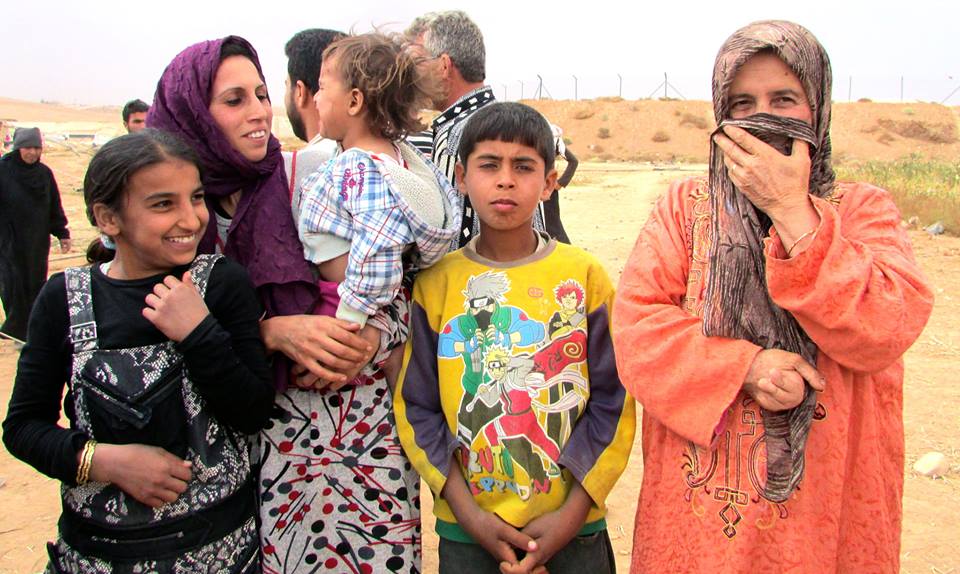
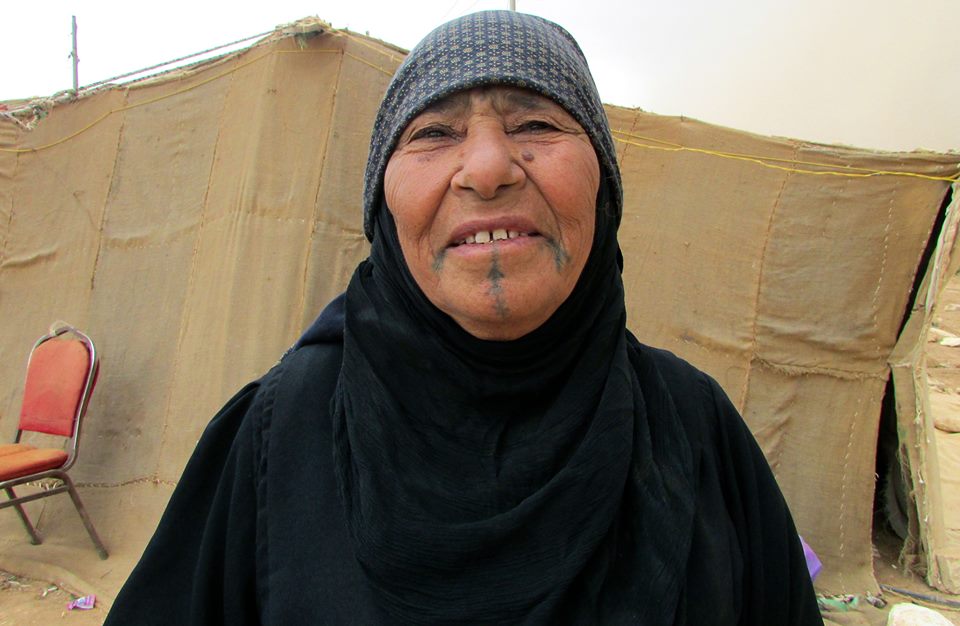
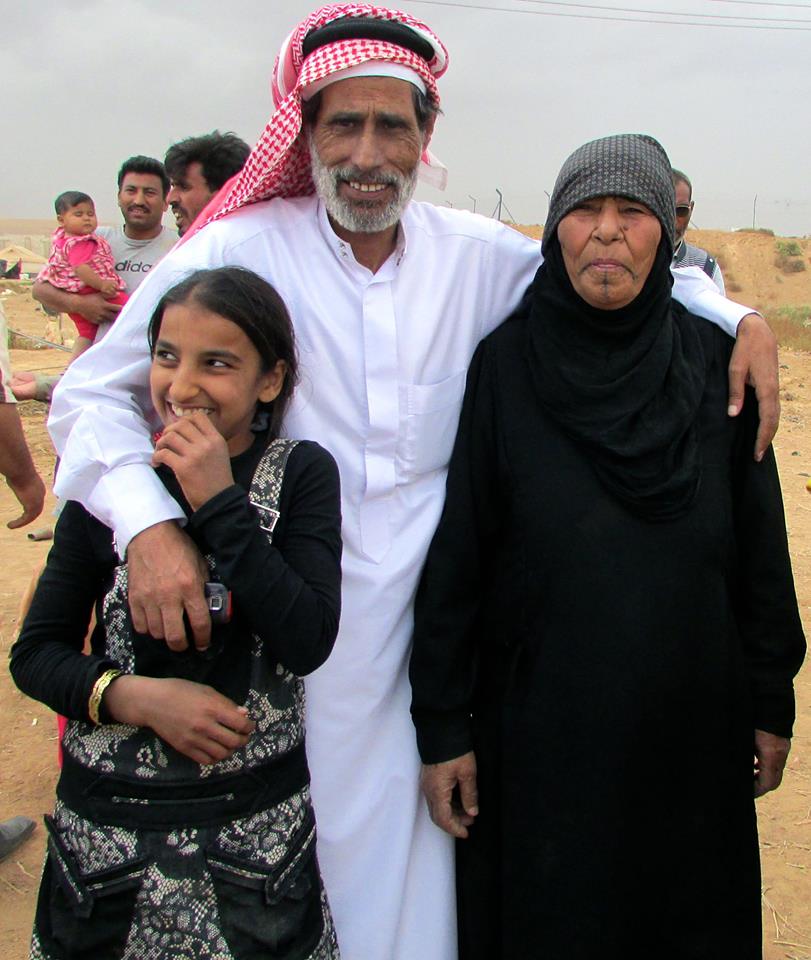
All day long in Mafraq, an impoverished corner of Jordan that has been swarmed by Syrian refugees, women kept pulling me aside and unzipping their abayas. They spotted me amid the male aid workers, grabbed my hand and pulled me to a corner to reveal the scars on their necks, their stomachs, their hips.
I'd crossed the Jordanian border from Israel earlier that morning, on assignment to report about Israeli aid to Syrian refugees. I was ready to see hunger and homelessness. I hadn't expected, however, to be shown so much skin.
One Syrian woman named Asma revealed a gash along her belly that I thought was a scar from a caesarian section. "Baby?" I asked her, hooking my arms into an imaginary cradle to compensate for my lack of Arabic.
"No, not baby," she said. Then her fingers waved desperately and she lifted her arms above her head. "Boom!" she said. She pulled out a cheap cell phone and showed me a grainy video of her dying husband writhing on a Syrian street. She couldn't have been more clear.
2013-12-14-mafraq6.jpg

At a tiny desert refugee camp of Syrians who had fled the crowding and disease of the larger tent cities of Zaatari and Mreijeb Al Fhoud, a teenaged girl named Firdous dragged me to semi-privacy behind a van and carefully unwrapped her hijab. On her breastbone, she showed me a smattering of thick purple bruises. They looked like berries, the kind that bleed into pancakes and turn the batter blue, but they were burst blood vessels. I told her in English that I would help her find a doctor, knowing that she couldn't understand me, which gave me an excuse to lie.
Our translator had been detained on the Israeli side of the border, held back from crossing with us thanks to an unpaid cell phone bill, which in these parts is enough to put a freeze on your passport. The Israeli aid workers who had brought me were pressed for time and walking a tenuous line in their coordination with Jordanian groups on the ground. I was an untrained witness to a chaotic dump of dried lentils and laundry detergent, with no medical skills and only a smattering of Arabic vocabulary. All I could do for these women was be a witness to their wounds.
2013-12-14-mafraq2.jpg

Hours later, when I was back across the border in my clean, light-filled Tel Aviv apartment, eating takeout Chinese on the sofa and watching "Homeland" with my husband, I began to think about those women's bodies. My assignment that day had been to write about the food parcels the refugees were receiving from Israel, and I had gathered enough information to do so. But the nakedness had been so unbridled, and worst of all, it had been so very easy to leave behind.
It's simple in Israel to get into a car, cross a border, and in a matter of minutes find yourself in an alternate universe. For Americans at home, such culture shock usually takes a jet plane. Here, where the conflicts are compact and the borders more pockmarked, the world's headlines are always just a short drive away.
2013-12-14-mafraq5.jpg

And I had a ride right to them. I was picked up in Israel at 6 a.m. by a carload of aid workers, and by 9 a.m. we were at the Beit Shean border crossing, our passports being scrutinized by a surly Jordanian customs officer. It wasn't even lunchtime yet when Asma unzipped her robe and pulled up the shirt beneath to show me her belly. By dinnertime, Firdous and her family were probably still huddled in their tent in an unmapped swath of Jordanian desert, gnashing out that afternoon's sandstorm while I was back home in Tel Aviv slurping wonton soup.
This fall, while U.S. President Barack Obama wavered over whether or not to exact revenge on Syrian President Bashar Assad for dropping chemical weapons on his own people, Tel Aviv braced itself. We are close enough, we know, to be the first line of attack. We are a western enclave in a region turning more and more eastern; the sacrificial lamb in a den of spring-stoked wolves. I love Tel Aviv because it is like a nation unto itself; a city of beaches and bohemians and non-kosher bistros that is my sanctuary from the Israeli headaches that beckon the moment you reach its outskirts.
2013-12-14-mafraq4.jpg

So it made sense that I would touch the broken nerves of the Syrian conflict in neighboring Jordan and make it home to my Tel Aviv oasis in a handful of hours. That is the irony of life here; to live in Tel Aviv, one must stoke a willful ignorance of the ugliness of the Middle East. But our sanctuary is imaginary. After I had showered away the day's grime and joined my husband on the sofa that night, I spied the unopened cardboard boxes containing our gas masks stacked in the corner.
We will never have to open them, he assured me last month when he brought them home after hours in line at the distribution center. And we can always run to the shelter.
Better safe than sorry, I said in return, because there is strange comfort in adages.
Coming home from Jordan, however, those silent cardboard boxes seemed to mock me. Tel Aviv remains secure, our gas masks mere props in someone else's war. And I am left with the unsettling realization that I went to that refugee camp to take home a story, but brought nothing to give.
2013-12-14-mafraq3.jpg

Maybe it was because of the shame that I lay in bed that night, straining my ears for the air raid siren. It's easy to say I was simply on edge after a long day, but I think a small part of me was hoping to hear it. Its wail would rise up in the night, shattering the silence like a gash across skin.
But the night remained still, and I, wishing for absolution, curled into my clean sheets and waited for sleep.

NOT KIDDING: Sen. Yerima Divorces 17-Yr-Old To Marry 15-Yr-Old

Three years after marrying a 14 year old Egyptian girl named Marian, former Zamfara state governor and serving senator of the federal republic of Nigeria, Sen. Ahmed Yerima, has divorced her to marry a younger girl, reports provide.
Photo: Senator Yerima to marry a 15-year-old
According to the information available, Sen. Yerima and four men, said to be members of the Zamfara State House of Assembly were in Egypt a few weeks ago for the wedding fathia of a new bride. It has been learnt that the girl is 15 years old.
Mr. Yerima has one child from Marian, who is 17 now. The reason he divorced her is to enable him take a new wife as he's not allowed more than 4 wives.
The Senator is alleged to have married and divorced a few women in the last few years but has never changed his first three wives, only the fourth ones.
It would be recalled tha Sen. Ahmed Yerima this year was strongly against the deletion of the section of the 1999 constitution which pegged the official marriage age in Nigeria as 18 year, saying it was anti-Islam.
READ MORE:  http://news.naij.com/54420.html?new_letter

Saturday, 14 December 2013

THE WOMEN WHO SOLD THEIR DAUGHTER INTO SEX SLAVERY


Ngao, Ann and Neoung live amid poverty in the Cambodian fishing village of Svay Pak. When faced with a financial crisis, each made the extraordinary decision to sell their adolescent daughter to sex traffickers.
A neighborhood in Cambodia is a global hotspot for the child sex trade. The people selling the children? Too often, their parents. CNN Freedom Project and Mira Sorvino, award-winning actress and human rights activist, investigate.
By Tim Hume, Lisa Cohen and Mira Sorvino
Photography by Jeremie Montessuis for CNN
Phnom Penh, Cambodia (CNN)
Watch "Every Day in Cambodia" on CNN International Saturday at 10 a.m. CET, 9 p.m. CET and Sunday 3 a.m. CET in Europe, and Saturday 5 p.m. HKT, Sunday 4 a.m. HKT and 10 a.m. HKT in Hong Kong.
When a poor family in Cambodia fell afoul of loan sharks, the mother asked her youngest daughter to take a job. But not just any job.
The girl, Kieu, was taken to a hospital and examined by a doctor, who issued her a "certificate of virginity." She was then delivered to a hotel, where a man raped her for two days.
Kieu was 12 years old.
"I did not know what the job was," says Kieu, now 14 and living in a safehouse. She says she returned home from the experience "very heartbroken." But her ordeal was not over.
After the sale of her virginity, her mother had Kieu taken to a brothel where, she says, "they held me like I was in prison."
She was kept there for three days, raped by three to six men a day. When she returned home, her mother sent her away for stints in two other brothels, including one 400 kilometers away on the Thai border. When she learned her mother was planning to sell her again, this time for a six-month stretch, she realized she needed to flee her home.
"Selling my daughter was heartbreaking, but what can I say?" says Kieu's mother, Neoung, in an interview with a CNN crew that travelled to Phnom Penh to hear her story.

Cambodia's hidden child brothels

Karaoke bars are a common front for child prostitution. Mira Sorvino details going behind the scenes of this illicit trade.
Like other local mothers CNN spoke to, she blames poverty for her decision to sell her daughter, saying a financial crisis drove her into the clutches of the traffickers who make their livelihoods preying on Cambodian children.
"It was because of the debt, that's why I had to sell her," she says. "I don't know what to do now, because we cannot move back to the past."
It is this aspect of Cambodia's appalling child sex trade that Don Brewster, a 59-year-old American resident of the neighborhood, finds most difficult to countenance.
"I can't imagine what it feels like to have your mother sell you, to have your mother waiting in the car while she gets money for you to be raped," he says. "It's not that she was stolen from her mother -- her mother gave the keys to the people to rape her."
Brewster, a former pastor, moved from California to Cambodia with wife Bridget in 2009, after a harrowing investigative mission trip to the neighborhood where Kieu grew up -- Svay Pak, the epicenter of child trafficking in the Southeast Asian nation.
"Svay Pak is known around the world as a place where pedophiles come to get little girls," says Brewster, whose organization, Agape International Missions (AIM), has girls as young as four in its care, rescued from traffickers and undergoing rehabilitation in its safehouses.
In recent decades, he says, this impoverished fishing village – where a daughter's virginity is too often seen as a valuable asset for the family – has become a notorious child sex hotspot.
"When we came here three years ago and began to live here, 100% of the kids between 8 and 12 were being trafficked," says Brewster. The local sex industry sweeps up both children from the neighborhood -- sold, like Kieu, by their parents – as well as children trafficked in from the countryside, or across the border from Vietnam. "We didn't believe it until we saw vanload after vanload of kids."

Global center for pedophiles

Weak law enforcement, corruption, grinding poverty and the fractured social institutions left by the country's turbulent recent history have helped earn Cambodia an unwelcome reputation for child trafficking, say experts.
UNICEF estimates that children account for a third of the 40,000-100,000 people in the country's sex industry.
Svay Pak, a dusty shantytown on the outskirts of the Cambodian capital Phnom Penh, is at the heart of this exploitative trade.
As one of the most disadvantaged neighborhoods in one of Asia's poorest countries – nearly half the population lives on less than $2 per day -- the poverty in the settlement is overwhelming. The residents are mostly undocumented Vietnamese migrants, many of whom live in ramshackle houseboats on the murky Tonle Sap River, eking out a living farming fish in nets tethered to their homes.
Svay Pak, an impoverished neighborhood on the outskirts of Phnom Penh, is the epicenter of Cambodia's child sex trade. Many of its residents are undocumented Vietnamese migrants, living in a community of ramshackle houseboats connected by rickety walkways.
It's a precarious existence. The river is fickle, the tarp-covered houseboats fragile. Most families here scrape by on less than a dollar a day, leaving no safety net for when things go wrong – such as when Kieu's father fell seriously ill with tuberculosis, too sick to maintain the nets that contained their livelihood. The family fell behind on repayments of a debt.
In desperation, Kieu's mother, Neoung, sold her virginity to a Cambodian man of "maybe more than 50," who had three children of his own, Kieu says. The transaction netted the family only $500, more than the $200 they had initially borrowed but a lot less than the thousands of dollars they now owed a loan shark.
So Neoung sent her daughter to a brothel to earn more.
"They told me when the client is there, I have to wear short shorts and a skimpy top," says Kieu. "But I didn't want to wear them and then I got blamed." Her clients were Thai and Cambodian men, who, she says, knew she was very young.

Don Brewster, a former pastor from California, is the founder and director of Agape International Missions, an organization dedicated to rescuing and rehabilitating the victims of child trafficking in Cambodia and smashing the networks that exploit them. He moved to Cambodia with his wife in 2009 after a harrowing investigative mission trip to the neighborhood.
"When they sleep with me, they feel very happy," she says. "But for me, I feel very bad."
The men who abuse the children of Svay Pak fit a number of profiles. They include pedophile sex tourists, who actively seek out sex with prepubescent children, and more opportunistic "situational" offenders, who take advantage of opportunities in brothels to have sex with adolescents.
Sex tourists tend to hail from affluent countries, including the West, South Korea, Japan and China, but research suggests Cambodian men remain the main exploiters of child prostitutes in their country.
Mark Capaldi is a senior researcher for Ecpat International, an organization committed to combating the sexual exploitation of children.
"In most cases when we talk about child sexual exploitation, it's taking place within the adult sex industry," says Capaldi. "We tend to often hear reports in the media about pedophilia, exploitation of very young children. But the majority of sexual exploitation of children is of adolescents, and that's taking place in commercial sex venues."
The abusers would often be local, situational offenders, he says. Research suggests some of the Asian perpetrators are "virginity seekers," for whom health-related beliefs around the supposedly restorative or protective qualities of virgins factor into their interest in child sex.
Whatever the profile of the perpetrator, the abuse they inflict on their victims, both girls and boys, is horrific. Trafficked children in Cambodia have been subjected to rape by multiple offenders, filmed performing sex acts and left with physical injuries -- not to mention psychological trauma -- from their ordeals, according to research.
In recent years, various crackdowns in Svay Pak have dented the trade, but also pushed it underground. Today, Brewster says, there are more than a dozen karaoke bars operating as brothels along the road to the neighborhood, where two years ago there was none. Even today, he estimates a majority of girls in Svay Park are being trafficked.

Virgins for sale

Kieu's relative, Sephak, who lives nearby, is another survivor. (CNN is naming the victims in this case at the request of the girls themselves, as they want to speak out against the practice of child sex trafficking.)
Sephak was 13 when she was taken to a hospital, issued a certificate confirming her virginity, and delivered to a Chinese man in a Phnom Penh hotel room. She was returned after three nights. Sephak says her mother was paid $800.
"When I had sex with him, I felt empty inside. I hurt and I felt very weak," she says. "It was very difficult. I thought about why I was doing this and why my mom did this to me." After her return, her mother began pressuring her daughter to work in a brothel.
Toha listens to her mother explain how she came to sell her to sex traffickers. She no longer lives with her family, opting instead to live in a residence for trafficking survivors run by Brewster's organization -- but still provides her family some financial support from her new job.
Not far away from Sephak's family home, connected to the shore via a haphazard walkway of planks that dip beneath the water with each footfall, is the houseboat where Toha grew up.
The second of eight children, none of whom attend school, Toha was sold for sex by her mother when she was 14. The transaction followed the same routine: medical certificate, hotel, rape.
About two weeks after she returned to Svay Pak, she says, the man who had bought her virginity began calling, requesting to see her again. Her mother urged her to go. The pressure drove her to despair.
"I went to the bathroom and cut my arms. I cut my wrists because I wanted to kill myself," Toha says. A friend broke down the door to the bathroom and came to her aid.

Mothers as sex traffickers

CNN met with the mothers of Kieu, Sephak and Toha in Svay Pak to hear their accounts of why they chose to expose their daughters to sexual exploitation.
Kieu's mother, Neoung, had come to Svay Pak from the south of the country in search of a better life when Kieu was just a baby. But life in Svay Pak, she would learn, wasn't easy.

Why Cambodia?

How has this Southeast Asian nation become a hotspot for pedophiles? Poverty, corruption and a brutal reign of terror have all played a part in making Cambodian children vulnerable to adult predators.
When her husband's tuberculosis rendered him too sick to properly maintain the nets on the family's fish pond, the family took on a $200 loan at extortionate rates from a loan shark. It has now ballooned to more than $9,000. "The debt that my husband and I have is too big, we can't pay it off," she says. "What can you do in a situation like this?"
"Virginity selling" was widespread in the community, and Neoung saw it as a legitimate option to make some income. "They think it is normal," she says. "I told her, 'Kieu, your dad is sick and can't work… Do you agree to do that job to contribute to your parents?'"
"I know that I did wrong so I feel regret about it, but what can I do?" she says. "We cannot move back to the past."
But she adds she would never do it again.
Sephak's mother, Ann, has a similar story. Ann moved to Svay Pak when her father came to work as a fish farmer. She and her husband have serious health problems.
"We are very poor, so I must work hard," she says. "It's still not enough to live by and we're sick all the time."
The family fell on hard times. When a storm roared through the region, their house was badly damaged, their fish got away, and they could no longer afford to eat. In crisis, the family took out a loan that eventually spiraled to about $6000 in debt, she says.
With money-lenders coming to her home and threatening her, Ann made the decision to take up an offer from a woman who approached her promising big money for her daughter's virginity.
"I saw other people doing it and I didn't think it through," she says. "If I knew then what I know now, I wouldn't do that to my daughter."
On her houseboat, as squalls of rain lash the river, Toha's mother Ngao sits barefoot before the television taking pride of place in the main living area, and expresses similar regrets. On the wall hangs a row of digitally enhanced portraits of her husband and eight children. They are dressed in smart suits and dresses, superimposed before an array of fantasy backdrops: an expensive motorcycle, a tropical beach, an American-style McMansion.
Life with so many children is hard, she says, so she asked her daughter to go with the men.
She would not do the same again, she says, as she now has access to better support; Agape International Missions offers interest-free loan refinancing to get families out of the debt trap, and factory jobs for rescued daughters and their mothers.

For the children: Mira's journal

Mira Sorvino details her week spent in Cambodia with the CNN Freedom Project meeting victims, government officials and activists working to end child sex trafficking. Read more »
The news of Ngao's betrayal of her daughter has drawn mixed responses from others in the neighborhood, she says. Some mock her for offering up her daughter, others sympathize with her plight. Some see nothing wrong with she did at all.
"Some people say 'It's OK -- just bring your daughter (to the traffickers) so you can pay off the debt and feel better,'" says Ngao.

A new future

Not long after her suicide attempt, Toha was sent to a brothel in southern Cambodia. She endured more than 20 days there, before she managed to get access to a phone, and called a friend. She told the friend to contact Brewster's group, who arranged for a raid on the establishment.
Although children can be found in many brothels across Cambodia -- a 2009 survey of 80 Cambodian commercial sex premises found three-quarters offering children for sex – raids to free them are infrequent.
The country's child protection infrastructure is weak, with government institutions riven with corruption. Cambodia's anti-trafficking law does not even permit police to conduct undercover surveillance on suspected traffickers. General Pol Phie They, the head of Cambodia's anti-trafficking taskforce set up in 2007 to address the issue, says this puts his unit at a disadvantage against traffickers.
"We are still limited in prosecuting these violations because first, we lack the expertise and second, we lack the technical equipment," he says. "Sometimes, we see a violation but we can't collect the evidence we need to prosecute the offender."
He admits that police corruption in his country, ranked 160 of 175 countries on Transparency International's Corruption Perceptions Index, is hampering efforts to tackle the trade in Svay Pak. "Police in that area probably do have connections with the brothel owners," he concedes.

Toha's nightmare is now over. She earns a steady income, weaving bracelets that are sold in American stores, while she studies for her future. Her dream is to become a social worker, helping other girls who have been through the same ordeal.
Brewster believes that corruption was to blame for nearly thwarting Toha's rescue. In October 2012, after Toha's call for help, AIM formulated plans with another organization to rescue the teen, and involved police.
"We get a warrant to shut the place down," recalls Brewster. "Fifteen minutes later, Toha calls and says, 'I don't know what happened, the police just came with the owner and took us to a new place. I'm locked inside and don't know where I am.'"
Fortunately the rescue team were able to establish Toha's new location, and she and other victims were freed and the brothel managers arrested – although not before the owners fled to Vietnam.
Toha's testimony against the brothel managers, however, resulted in their prosecutions.
Last month, at the Phnom Penh Municipal Courthouse, husband and wife Heng Vy and Nguyeng Thi Hong were found guilty of procuring prostitution and sentenced to three years in jail. Both were ordered to pay $1,250 to the court, $5,000 to Toha, and smaller sums to three other victims.
Brewster was in court to watch the sentencing; a small victory in the context of Cambodia's child trafficking problem, but a victory nonetheless.
"Toha's an amazingly brave girl," he says on the courthouse steps, shortly after the brothel managers were led down to the cells.
"Getting a telephone when she's trapped in a brothel to call for help, to saying she would be a witness in front of the police…. She stood up and now people are going to pay the price and girls will be protected. What it will do is bring more Tohas, more girls who are willing to speak, places shut down, bad guys put away."
Like the other victims, Toha now lives in an AIM safehouse, attending school and supporting herself by weaving bracelets, which are sold in stores in the West as a way of providing a livelihood to formerly trafficked children.
In the eyes of the community, having a job has helped restore to the girls some of the dignity that was stripped from them by having been sold into trafficking, says Brewster.
It has also given them independence from their families -- and with that, the opportunity to build for themselves a better reality than the one that was thrust on them. Now Sephak has plans to become a teacher, Kieu a hairdresser.
For her part, Toha still has contact with her mother – even providing financial support to the family through her earnings – but has become self-reliant. She wants to be a social worker, she says, helping girls who have endured the same hell she has.
"(Toha)'s earning a good living and she has a dream beyond that, you know, to become a counselor and to be able to help other girls," says Brewster. "You see the transformation that's happened to her."